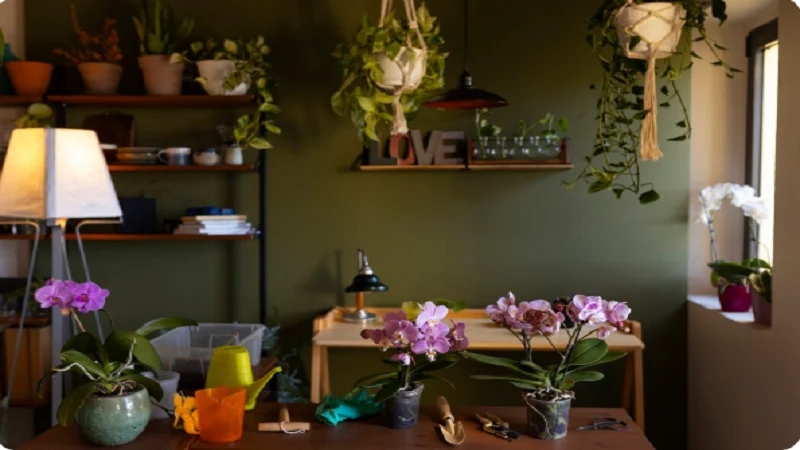
Decoration is the art of enhancing the appearance of a space to make it more attractive, comfortable, and functional. Whether it is a home, office, classroom, or event venue, proper decoration helps create a pleasant atmosphere and reflects personality, culture, and style. People use different colors, materials, lighting, furniture, and accessories to transform ordinary spaces into visually appealing environments.
In modern times, decoration is not only about beauty but also about creating balance, comfort, and practicality. A well-decorated space can improve mood, increase productivity, and make daily life more enjoyable. This article explains the importance of decoration, basic principles, popular styles, and practical tips to help anyone improve the look of their surroundings.
What is Decoration?
Decoration refers to the process of adding design elements to a space or object in order to improve its visual appeal. It involves selecting and arranging items such as furniture, wall art, lighting, plants, fabrics, and decorative accessories.
The purpose of decoration is not only to make a place look beautiful but also to create harmony between different elements of a space. A well-planned decorative setup considers color combinations, textures, layout, and lighting to produce a balanced and comfortable environment.
Decoration can be simple or elaborate depending on the purpose. For example, a home may have warm and cozy decoration, while a wedding hall might feature luxurious and elegant designs.
Importance of Decoration
Decoration plays an important role in daily life for several reasons.
1. Improves Appearance
The most obvious benefit of decoration is that it makes spaces more visually attractive. Plain rooms can look dull, but with proper colors, artwork, and accessories, they can become lively and welcoming.
2. Reflects Personality
A person’s decorative choices often reflect their tastes, interests, and lifestyle. Some people prefer minimalist designs, while others like colorful and vibrant settings.
3. Creates Comfort
Good decoration helps create a comfortable and relaxing environment. Soft lighting, comfortable furniture, and pleasing colors can make a space feel peaceful and enjoyable.
4. Enhances Functionality
Decoration also helps organize spaces better. Proper placement of furniture and accessories ensures that a room is not only beautiful but also practical to use.
Basic Principles of Decoration
To achieve a well-balanced look, decorators often follow certain basic principles.
Balance
Balance refers to the equal distribution of visual weight in a space. This can be achieved by arranging furniture and decorative elements so that one side of a room does not look heavier than the other.
There are three types of balance:
-
Symmetrical balance
-
Asymmetrical balance
-
Radial balance
Each type can create a different visual effect depending on the design style.
Harmony
Harmony means that all decorative elements work well together. Colors, textures, patterns, and shapes should complement each other rather than clash.
Proportion and Scale
Objects should be proportional to the size of the room and other items. For example, very large furniture may overwhelm a small room, while tiny decorations may look insignificant in a large hall.
Emphasis
Every room should have a focal point that draws attention. This could be a large painting, a decorative wall, a fireplace, or a beautiful piece of furniture.
Popular Types of Decoration Styles
Different people prefer different styles of decoration depending on their tastes and cultural influences.
Modern Style
Modern decoration focuses on simplicity, clean lines, and minimal clutter. Neutral colors such as white, gray, and beige are commonly used, along with simple furniture and subtle accessories.
Traditional Style
Traditional decoration includes classic furniture, rich colors, and decorative patterns. It often uses materials like wood, fabric, and ornate accessories to create a warm and elegant environment.
Minimalist Style
Minimalist decoration emphasizes simplicity and functionality. It uses fewer decorative items and focuses on open space, neutral colors, and essential furniture.
Rustic Style
Rustic decoration highlights natural materials such as wood, stone, and natural fabrics. This style creates a cozy and earthy atmosphere.
Contemporary Style
Contemporary decoration follows current trends and often combines elements from different design styles. It may include bold colors, unique shapes, and modern materials.
Decoration for Different Spaces
Decoration techniques may vary depending on the type of space being designed.
Home Decoration
Homes are decorated to create comfort and reflect the lifestyle of the people living there. Living rooms, bedrooms, kitchens, and bathrooms each require different decorative approaches.
Living rooms often feature sofas, artwork, rugs, and lighting to create a welcoming environment for guests. Bedrooms are usually decorated with calming colors, soft fabrics, and comfortable furniture to promote relaxation.
Office Decoration
Office spaces should balance professionalism and comfort. Proper lighting, organized desks, indoor plants, and simple wall art can make offices more pleasant and productive.
Event Decoration
Events such as weddings, birthdays, and celebrations require creative and thematic decoration. Flowers, lighting, table arrangements, and decorative backdrops help create a festive atmosphere.
Role of Colors in Decoration
Colors are one of the most powerful elements in decoration because they influence mood and perception.
Warm colors like red, orange, and yellow create energy and excitement. Cool colors like blue, green, and purple create calmness and relaxation.
Neutral colors such as white, beige, and gray are often used as base tones because they easily match other colors and help create balance.
Choosing the right color combination is essential for creating the desired atmosphere in any space.
Lighting and Decoration
Lighting plays a major role in enhancing decorative elements. Even the most beautifully designed room may look dull if the lighting is poor.
There are three main types of lighting used in decorative design:
Ambient lighting provides overall illumination for the room.
Task lighting focuses on specific activities such as reading or cooking.
Accent lighting highlights decorative features like paintings, sculptures, or architectural details.
Combining these lighting types can significantly improve the visual impact of decoration.
Use of Decorative Accessories
Accessories add personality and detail to a decorated space. Some common decorative accessories include:
-
Wall paintings and artwork
-
Indoor plants
-
Decorative cushions
-
Rugs and carpets
-
Mirrors
-
Lamps and lighting fixtures
-
Vases and sculptures
These items help complete the overall look and make a space feel more lively and personal.
Simple Tips for Better Decoration
Anyone can improve their space by following a few simple decoration tips.
First, keep the space organized and avoid unnecessary clutter. A clean and tidy room always looks more attractive.
Second, choose a color scheme and stick to it to maintain visual harmony.
Third, use lighting wisely to highlight important areas of the room.
Fourth, add natural elements such as plants to bring freshness and life into the space.
Finally, experiment with different textures and materials to create depth and interest.
Common Decoration Mistakes to Avoid
While decorating a space, people sometimes make mistakes that reduce the overall effect.
One common mistake is overcrowding a room with too many decorative items. Too many objects can make the space look messy and uncomfortable.
Another mistake is ignoring lighting. Poor lighting can hide the beauty of even the best designs.
Choosing the wrong furniture size is also a frequent issue. Furniture should match the size of the room.
Avoiding these mistakes can help create a more balanced and visually pleasing environment.
Future Trends in Decoration
Decoration trends continue to evolve with changing lifestyles and technologies. Many modern designs focus on sustainability and eco-friendly materials.
People are increasingly using recycled materials, energy-efficient lighting, and natural elements in their designs. Smart home technology is also influencing decoration by integrating lighting, temperature control, and automated systems into interior design.
Flexible and multifunctional furniture is becoming more popular as people seek practical solutions for smaller living spaces.
Conclusion
Decoration is an important part of creating beautiful and functional environments. It combines creativity, planning, and practical design to transform ordinary spaces into pleasant and inspiring places.
By understanding the basic principles, styles, and elements of decoration, anyone can improve the look and comfort of their surroundings. Whether decorating a home, office, or event venue, thoughtful design choices can make a significant difference in how a space feels and functions.
With careful planning, balanced colors, appropriate lighting, and meaningful accessories, decoration can turn any space into a welcoming and visually appealing environment.
Learn more: https://decorationideas.org/